What We Do

Our Commitment to Utah’s Ospreys

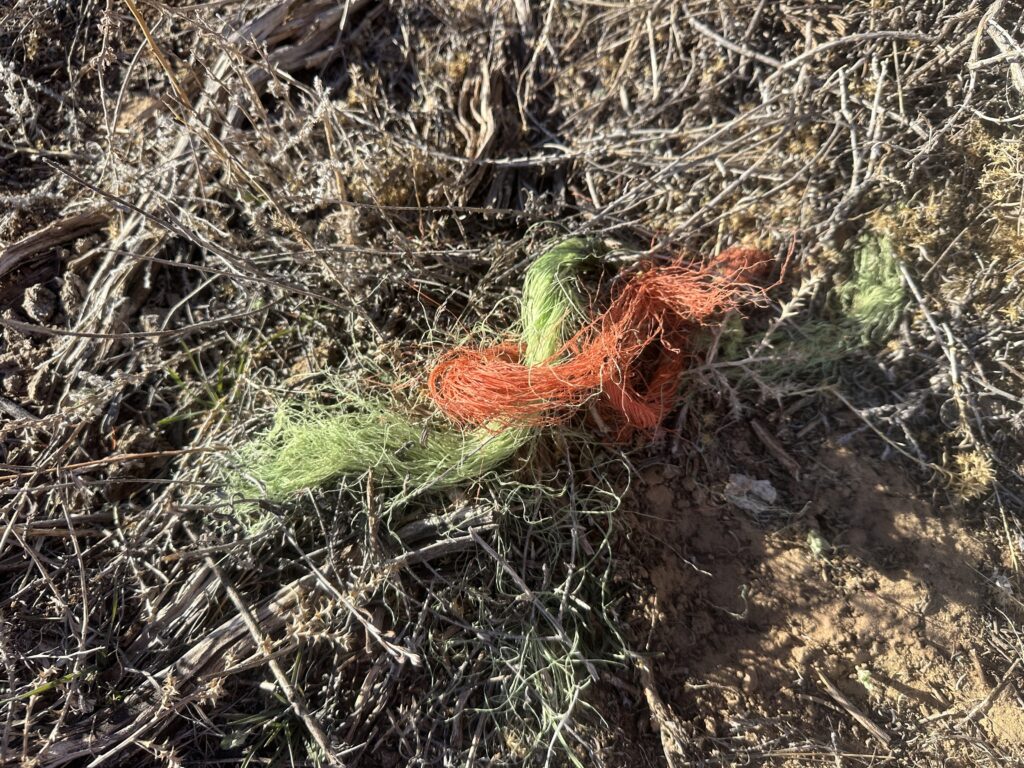
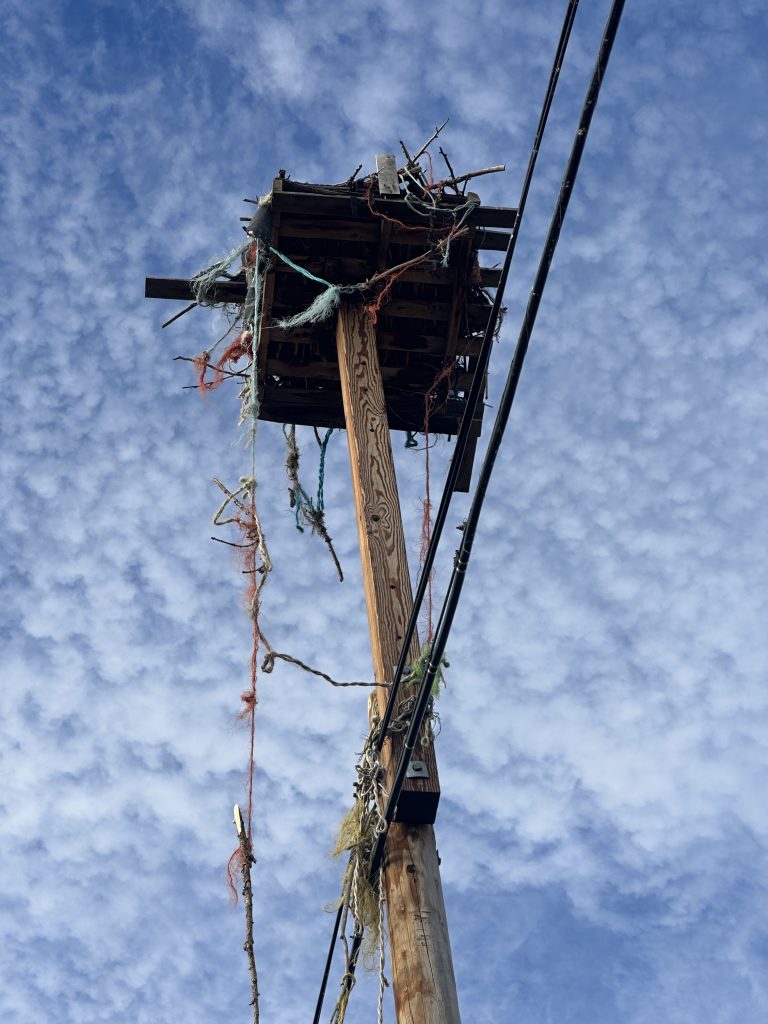
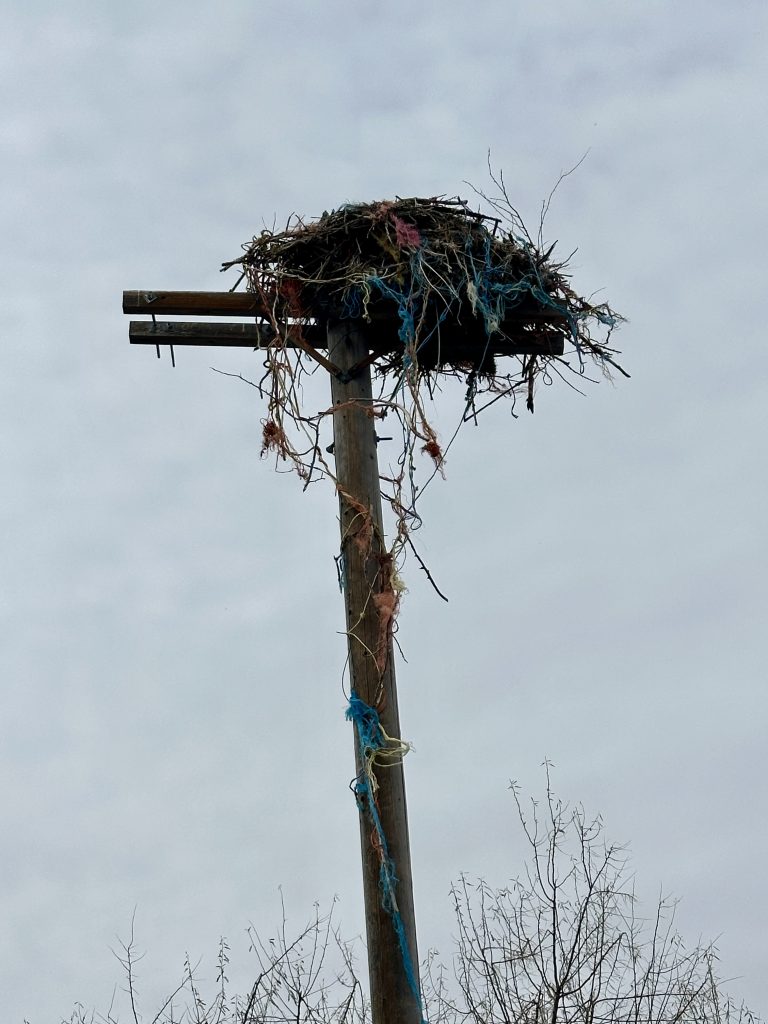
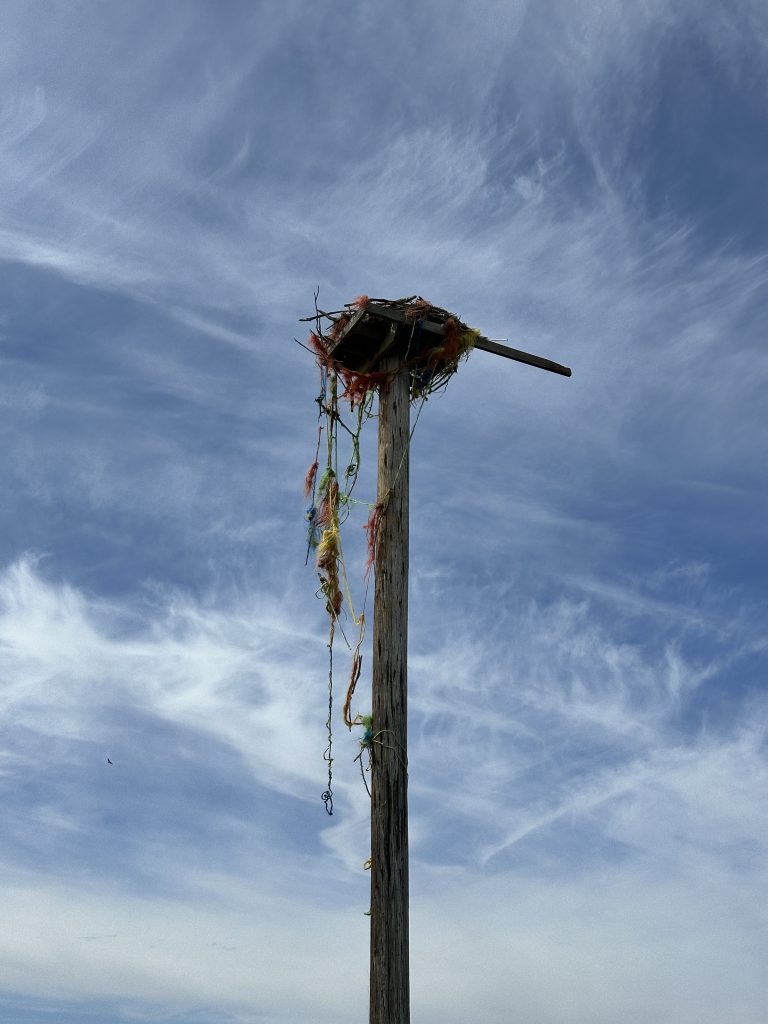
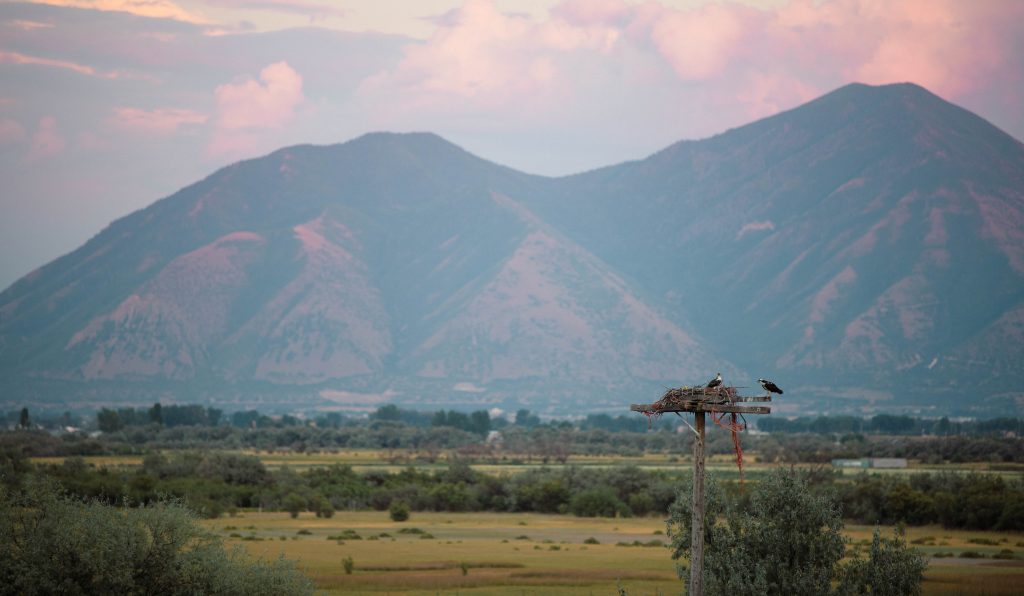
The Osprey, a majestic raptor of the skies and waterways, has made a remarkable comeback in Utah. However, a silent and deadly threat, nest debris, primarily agricultural bailing twine, endangers their success in our state.

At the Utah Osprey Project, we exist to address this growing problem head-on. Our work is a cycle of prevention, intervention, and education designed to ensure that every Osprey chick has a chance to take its first flight without being tragically tangled in its own home. Our initiatives are grounded in science, coordinated with state agencies, and powered by passionate volunteers.
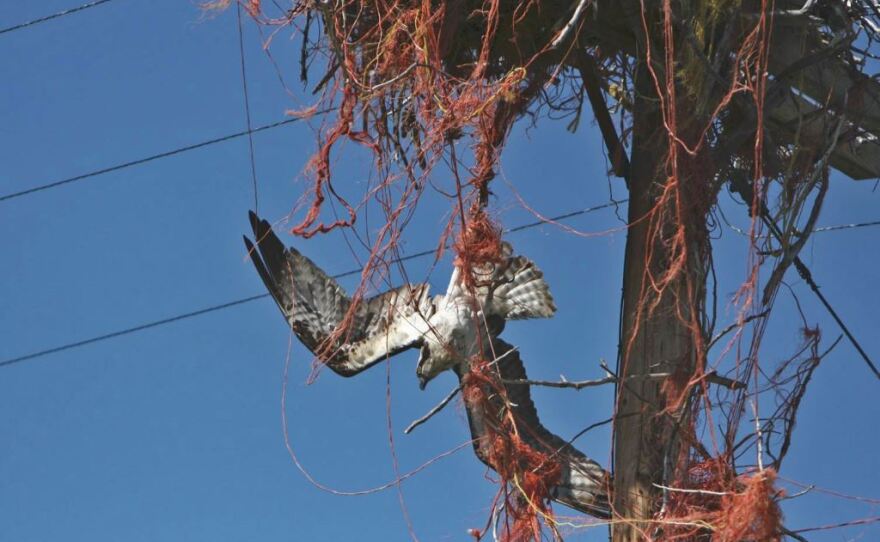
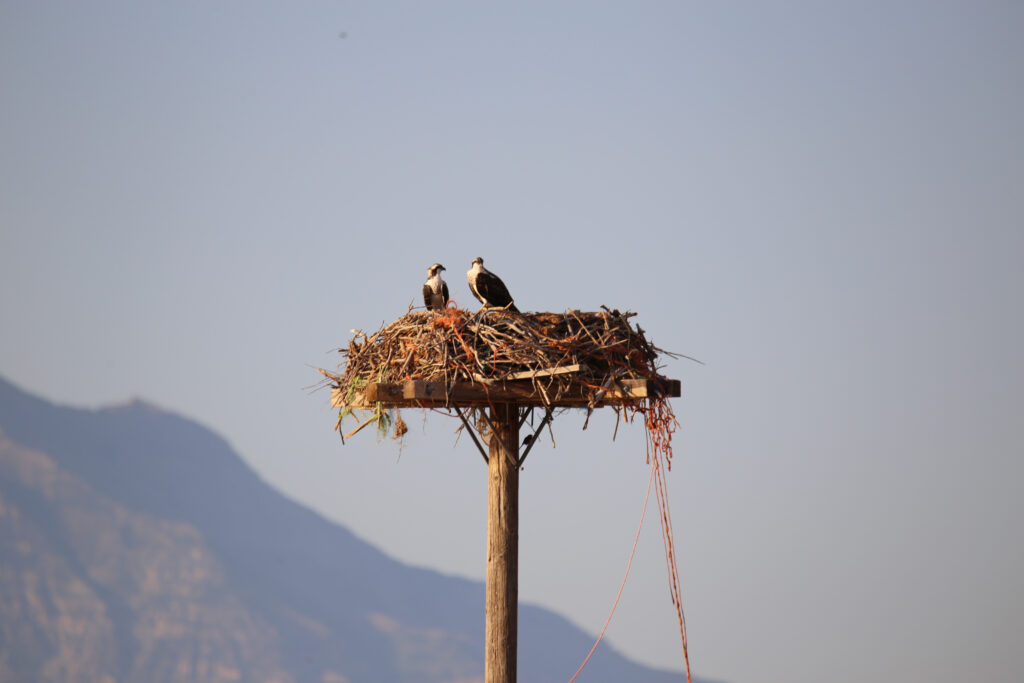
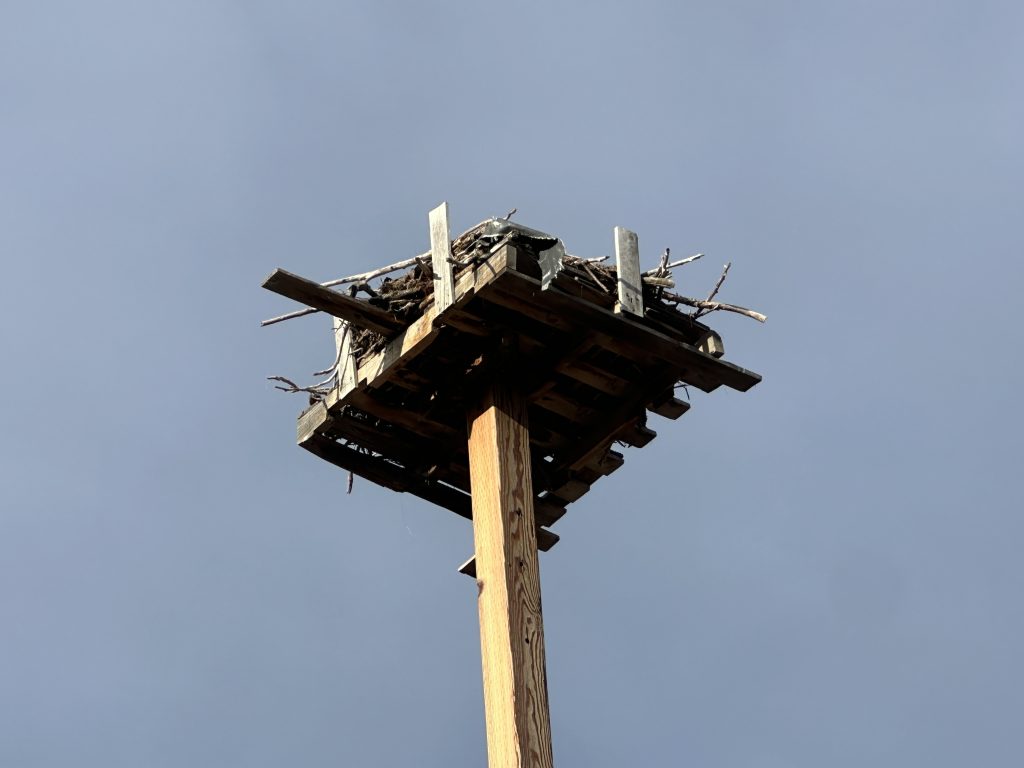
Prevention starts with knowledge. We work diligently throughout the breeding season to track the health, development, and composition of active Osprey nests across the state. This is primarily thanks to the efforts of RINS & their dedicated volunteers.

  • How We Do It: We collaborate with key partners, including the RINS, DWR, and utility companies, to maintain a comprehensive database of nests. We monitor these sites, identifying those that are older, larger, or have visible accumulations of high-risk materials like bailing twine, plastic netting, and other harmful debris.

  • Our Goal: To create a hazard-ranking system that prioritizes the most dangerous nests for our annual cleaning efforts, ensuring our limited resources have the maximum positive impact.

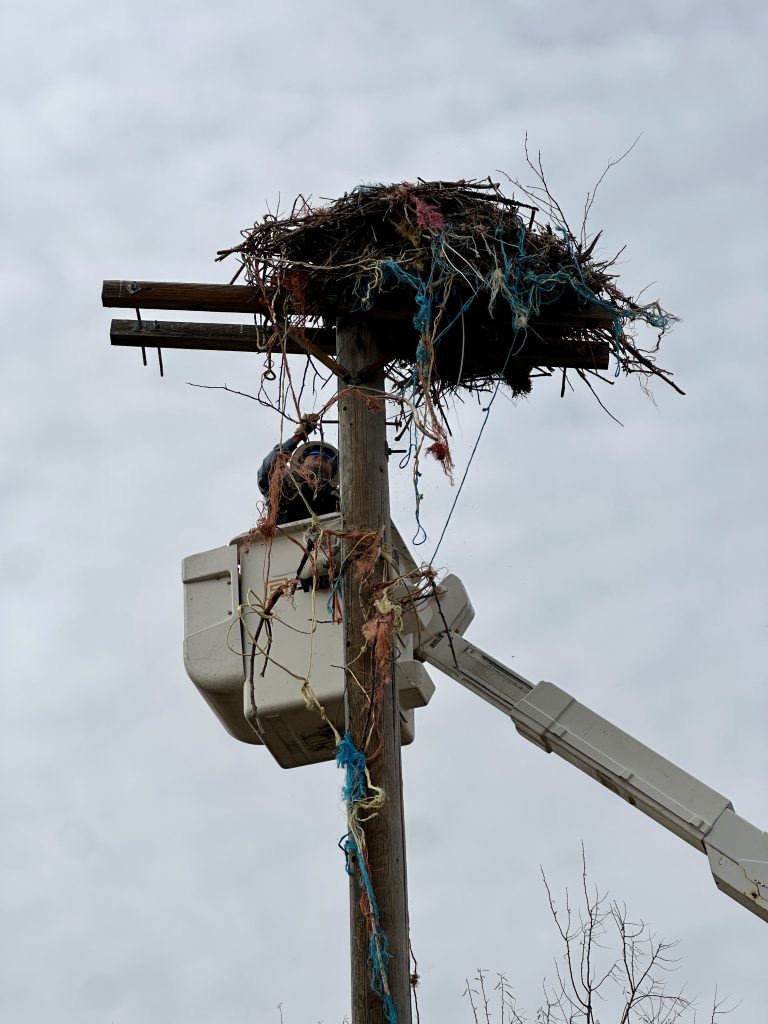
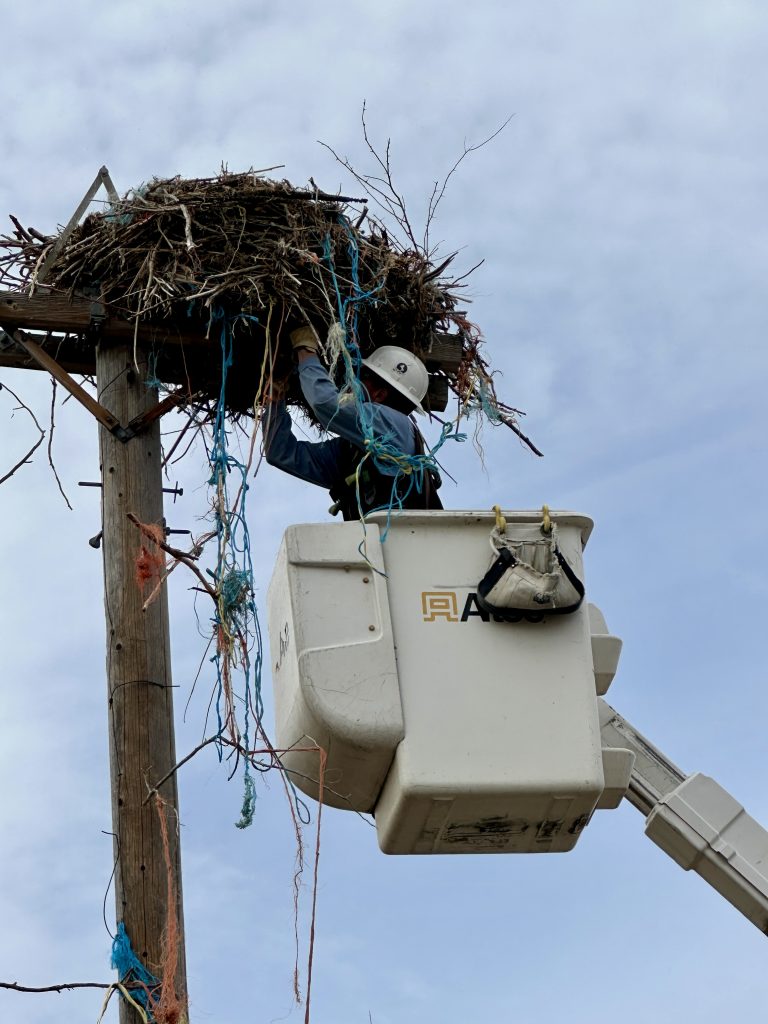
Our most direct form of intervention is the physical cleanup of hazardous nests. This is a critical, high-risk operation that can only be performed by trained professionals and licensed climbers.

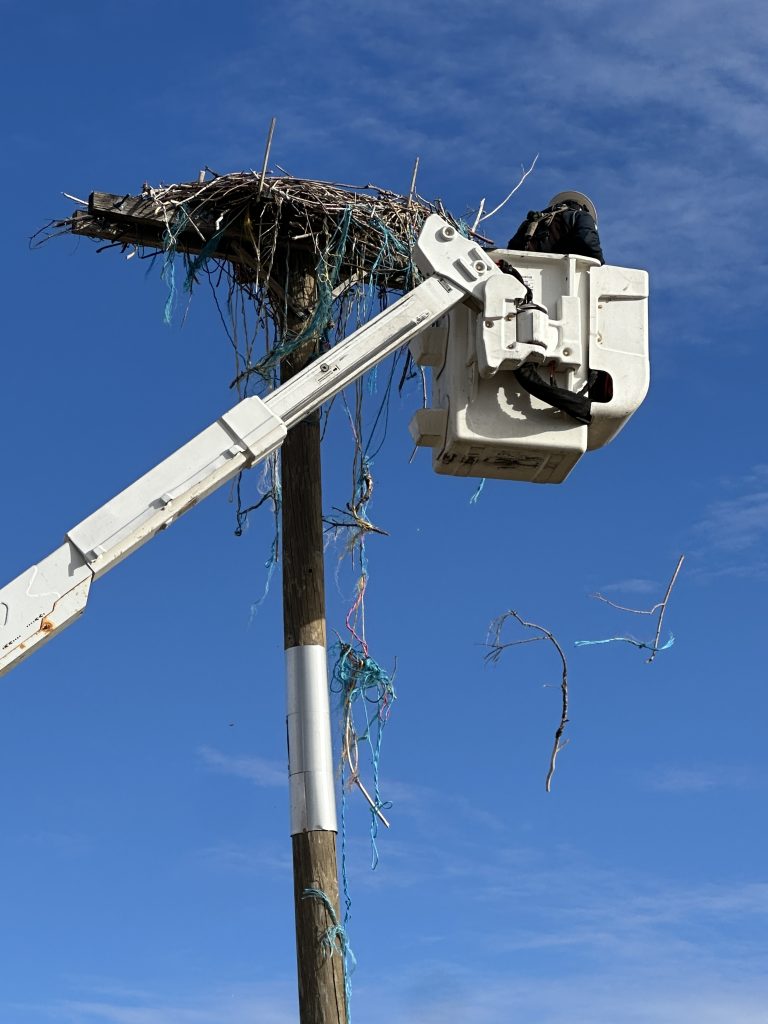
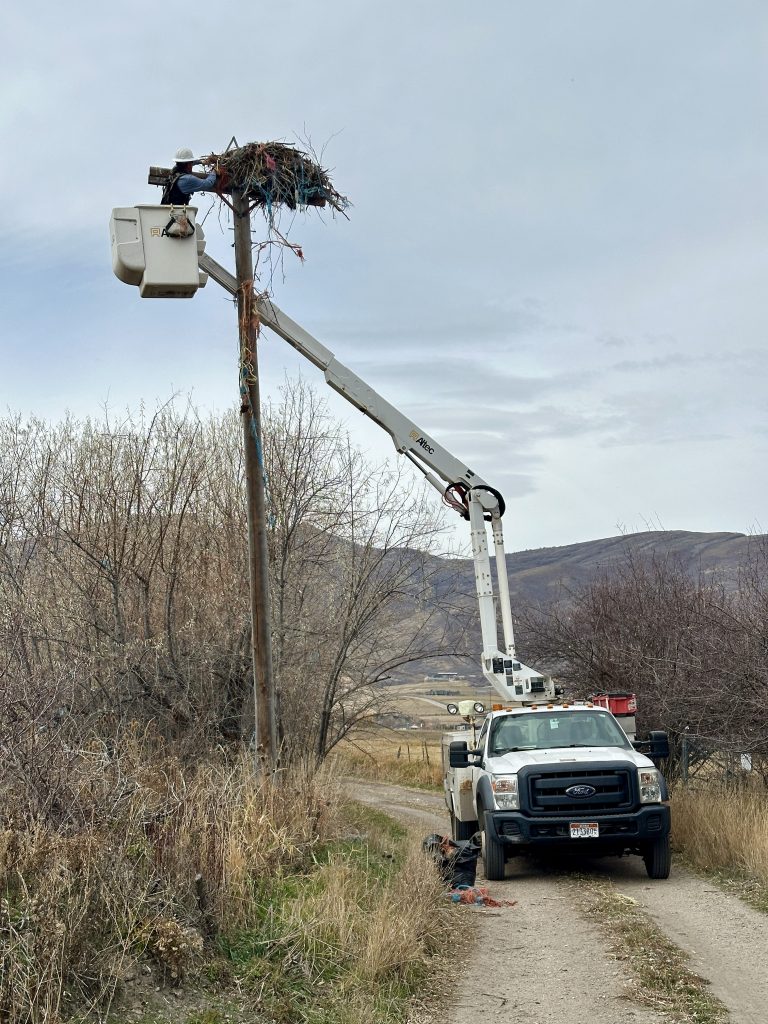
  • Annual Cleanup Day: Every fall, after the nesting season concludes and the birds have migrated, we coordinate a specialized cleanup effort. We target the highest-priority nests identified during our monitoring phase.

  • The Process: Utilizing bucket trucks and specialized climbing gear, our teams carefully remove feet and even pounds of accumulated bailing twine and dangerous debris from the nests, making the structures safe for the Ospreys’ return in the spring.

  • The Impact: This work directly eliminates the entanglement risk, giving future generations of Ospreys a safe home environment.

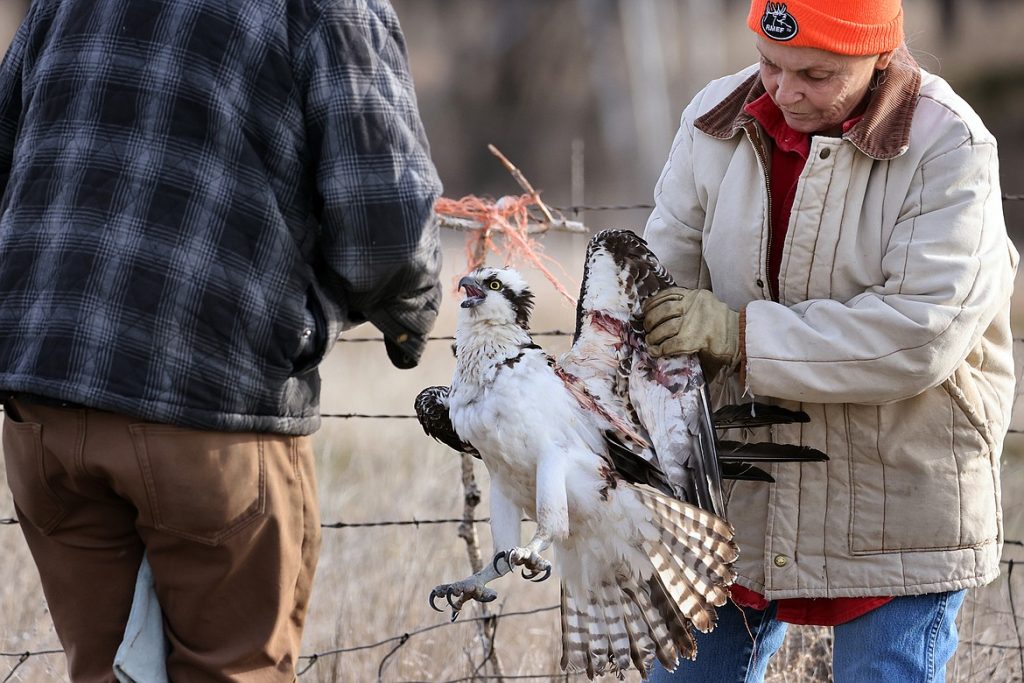
When prevention fails, we are ready to intervene. We serve as a rapid-response resource for Ospreys and other raptors that are sick, injured, or in immediate danger of entanglement.

  • Tangle Intervention: We respond to reports of entangled Ospreys, often requiring technical climbs or specialized equipment to safely free the trapped bird without causing further injury.

  • Partnerships: We work closely with licensed rehabilitators to transport, treat, and care for rescued birds, maximizing their chances of a successful release back into the wild.

  • Our Priority: To provide timely, compassionate, and effective life-saving assistance for any bird in crisis.

When prevention fails, we are ready to intervene. We serve as a rapid-response resource for Ospreys and other raptors that are sick, injured, or in immediate danger of entanglement.

  • Tangle Intervention: We respond to reports of entangled Ospreys, often requiring technical climbs or specialized equipment to safely free the trapped bird without causing further injury.

  • Partnerships: We work closely with licensed rehabilitators to transport, treat, and care for rescued birds, maximizing their chances of a successful release back into the wild.

  • Our Priority: To provide timely, compassionate, and effective life-saving assistance for any bird in crisis.